


Women often juggle multiple roles and responsibilities, which makes it easy to put personal health on the back burner. However, regular women’s health screening is a key part of preventive care for women and plays a vital role in detecting health concerns early. From hormonal imbalances to infections and chronic conditions, timely testing can prevent minor issues from turning into long-term problems.
Many women assume testing is only necessary when symptoms are severe. In reality, subtle changes in your body are often early warning signs. Knowing when to schedule a women’s health check up can protect your overall wellbeing and give you peace of mind.
Below are important signs you should never ignore.
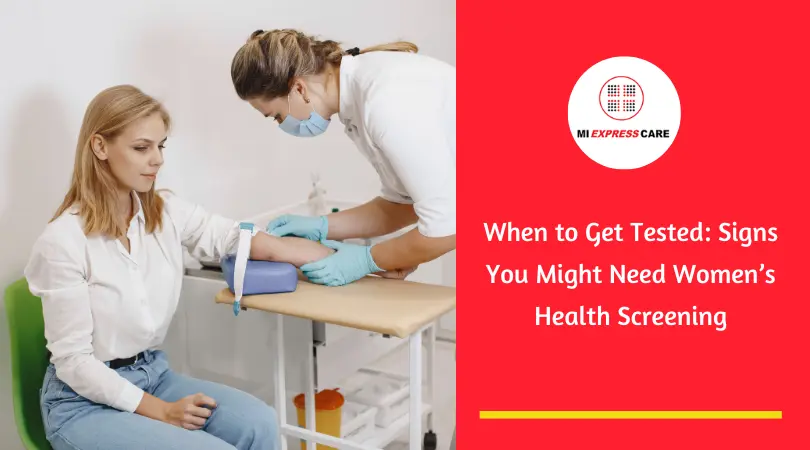
Women’s health screening helps detect infections, hormonal changes, reproductive health concerns, and early signs of cancers before symptoms become serious. Screenings are often based on age, lifestyle, family history, and risk factors, making them a cornerstone of preventive care for women.
Routine women’s health tests allow providers to identify issues early, monitor health changes over time, and recommend timely treatment. Even if you feel well, regular screening supports long-term wellness and reduces the risk of complications.
What counts as irregular:
Why it matters: Irregular bleeding may signal hormonal imbalance, polycystic ovary syndrome (PCOS), thyroid issues, or infections. Testing may include hormone panels, ultrasound imaging, or Pap tests to identify the cause and guide treatment.
When pain becomes concerning:
Possible causes: Pelvic pain may be linked to fibroids, endometriosis, ovarian cysts, or infections. A pelvic exam, ultrasound, or STI screening for women may be recommended to rule out serious concerns.
Changes to look out for:
Why testing is needed: These symptoms may point to yeast infections, bacterial vaginosis, or sexually transmitted infections. Early women’s health screening helps prevent complications and supports faster recovery.
What to look for:
When to get checked: Any new breast change should be evaluated promptly. Clinical breast exams and imaging such as mammography are essential for early detection and reassurance.
Even without noticeable symptoms, women should prioritize routine care, including:
Seek immediate medical attention if you experience:
An annual health check-up helps by:
Your body often sends subtle signals before bigger health issues arise. Paying attention to these changes and staying on top of women’s health screenings can make all the difference. Prioritizing preventive care helps you catch concerns early, maintain your wellbeing, and live with confidence, because taking action today is always better than reacting tomorrow.
Your health is your most valuable asset. Paying attention to subtle changes and getting timely women’s health screenings can prevent small issues from becoming serious. MI Express Primary Care is here to guide you with personalized care, early detection, and peace of mind, because staying proactive is the best way to protect your wellbeing.
Schedule your consultation today to get personalized guidance.
Women are generally advised to have a health screening at least once a year. Additional tests may be needed based on age or risk factors.
Screenings usually include a physical exam, breast and pelvic exams, Pap test, blood work, and other tests tailored to age, symptoms, or personal risk.
Many insurance plans cover preventive women’s health screenings during an annual check-up, but coverage can vary. It’s best to confirm with your provider.
Even without symptoms, routine screenings help detect conditions early, supporting long-term health and ensuring potential concerns are addressed promptly.
Many women’s health tests can be conveniently performed during an annual physical, allowing preventive care and screenings to be completed in one visit.