


Chronic pain can make even simple daily activities feel overwhelming. Whether it’s heel pain that won’t go away, lingering shoulder discomfort, or a sports injury that refuses to heal, long-term pain often leads people to search for alternatives beyond medication or surgery. One treatment gaining attention for its effectiveness and minimal downtime is shockwave therapy.
Also known as extracorporeal shockwave therapy (ESWT), this non-invasive treatment stimulates the body’s natural healing process and is widely used for musculoskeletal and sports-related conditions.
Let’s explore how shockwave therapy works, what it treats, and why it’s becoming a preferred option for pain relief.
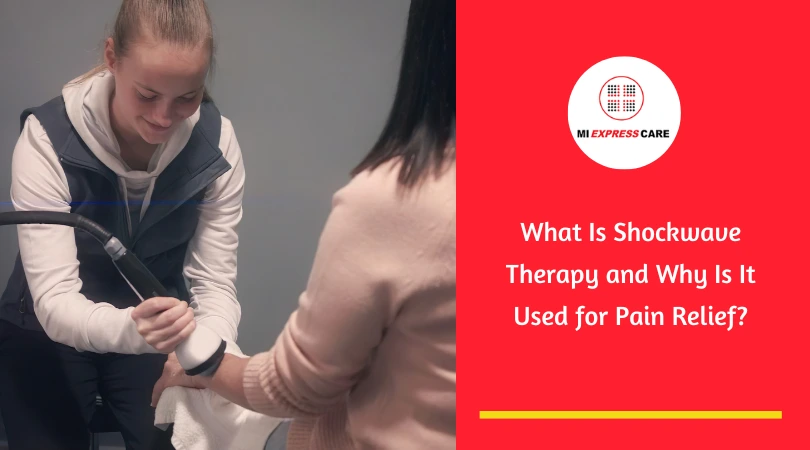
Shockwave therapy is a non-surgical treatment that uses high-energy acoustic waves to stimulate healing in injured or painful tissues. These sound waves are delivered through the skin to the affected area using a handheld device.
The therapy works by increasing circulation, encouraging cell repair, and triggering the body’s natural regenerative processes. It is especially effective for chronic conditions that have not responded well to rest, physical therapy, or medication.
There are two main types:
Focused shockwave therapy, which penetrates deeper tissues for targeted treatment
Radial shockwave therapy, which disperses energy over a broader area and is commonly used for muscle and tendon pain
Both forms are safe and effective when applied appropriately.
Shockwave therapy treats pain at its source rather than masking symptoms. It works by:
Increasing blood flow to damaged tissues
Breaking down scar tissue and calcifications
Reducing inflammation and pain signals
Stimulating collagen production and tissue regeneration
These effects promote long-term healing, making shockwave therapy an excellent option for chronic or recurring pain.
Shockwave therapy is widely used for a variety of musculoskeletal conditions, including:
Plantar fasciitis
Achilles, patellar, and rotator cuff tendonitis
Tennis elbow and golfer’s elbow
Shoulder, hip, knee, and heel pain
Chronic muscle tightness and sports injuries
It is particularly helpful for conditions caused by overuse, poor circulation, or tissue degeneration.
Many patients prefer shockwave therapy because it offers effective relief without the risks associated with invasive treatments.
No incisions or anesthesia
Minimal to no downtime
Drug-free and non-surgical
Reduces the need for steroid injections
May help delay or avoid surgery
For people seeking a conservative yet powerful treatment option, shockwave therapy provides an excellent alternative.
Some of the most notable benefits include:
Non-invasive and medication-free
Quick treatment sessions (usually 10–20 minutes)
Little to no recovery time
Safe for many chronic pain conditions
Improved mobility, strength, and function
Many patients begin noticing improvements after just a few sessions.
During treatment, a clinician applies a gel to the affected area and uses a handheld device to deliver controlled shockwaves.
Session length: 10–20 minutes
Number of sessions: Typically 3–6, depending on the condition
Sensation: Mild to moderate discomfort, often described as tapping or pulsing
Aftercare: Normal activities can usually be resumed the same day
Patients are often advised to avoid high-impact activity for 24–48 hours after treatment.
Clinical studies show strong evidence supporting shockwave therapy for chronic tendon and soft tissue conditions. Many patients experience:
Reduced pain within a few weeks
Improved movement and flexibility
Continued healing over several months
Results depend on factors such as the severity of the condition, activity level, and adherence to post-treatment recommendations.
Shockwave therapy is generally safe when performed by trained professionals. Mild side effects may include temporary redness, swelling, or soreness at the treatment site.
It may not be recommended for individuals who:
Are pregnant
Have bleeding disorders
Have nerve or circulation issues near the treatment area
A proper medical evaluation ensures the treatment is safe and appropriate.
Shockwave Therapy vs Physical Therapy:
Shockwave stimulates healing, while physical therapy focuses on strengthening and mobility. They are often used together for best results.
Shockwave Therapy vs PRP Injections:
Shockwave therapy is non-invasive, while PRP therapy requires injections. Both promote tissue healing, but shockwave involves no downtime.
Shockwave Therapy vs Steroid Injections:
Steroid injections provide short-term relief, while shockwave therapy supports long-term recovery.
You may be a good candidate if you:
Have chronic tendon or joint pain
Have not improved with rest or therapy
Want to avoid surgery or injections
Have a sports or overuse injury
Proper diagnosis and imaging help determine whether shockwave therapy is the right option.
Shockwave therapy is a safe, effective, and non-invasive solution for managing chronic pain and promoting healing. By stimulating the body’s natural repair process, it helps restore movement, reduce discomfort, and improve quality of life, without surgery or long recovery times.
If you’re dealing with persistent pain that hasn’t responded to traditional treatments, shockwave therapy may be the next step toward lasting relief.
Tired of living with pain that won’t go away? Discover how shockwave therapy at MI Express Urgent & Primary Care helps stimulate healing, reduce inflammation, and restore movement, without surgery or downtime.
Request a Shockwave Consultation today and get back to doing what you love with care designed around your recovery.
Most patients experience mild to moderate discomfort during treatment, often described as tapping or pressure that decreases as the area begins healing.
Many patients notice improvement after two to three sessions, with continued pain reduction and healing over the following several weeks.
Coverage varies by provider and condition, as some insurers consider it elective, so checking benefits beforehand is recommended.
Results can be long-lasting when combined with proper rehabilitation, activity modification, and addressing the underlying cause of pain.
Most patients return to daily activities immediately, though strenuous exercise is usually limited for 24 to 48 hours post-treatment.