Our Convenient Locations
Ann Arbor Location
MI Express Primary Care in Ann Arbor
80 S Zeeb Rd Unit 101 B, Ann Arbor, MI 48103
Monday - Friday : 9 AM - 7 PM
Saturday - Sunday : 10 AM - 6 PM
MI Express Urgent Care in Ann Arbor
80 S Zeeb Rd Unit 101 C, Ann Arbor, MI 48103
Monday - Friday : 9 AM - 7 PM
Saturday - Sunday : 10 AM - 6 PM
Natural, Precision-Guided PRP Therapy for Lasting Pain Relief
Joint, tendon, and soft-tissue pain don’t have to define your life. MI Express Urgent & Primary Care offers advanced Platelet Rich Plasma (PRP) therapy using your own platelets to stimulate healing at the source of pain.
If you’re considering plasma injections or alternatives to surgery for mild to moderate joint arthritis, pain, or other musculoskeletal conditions, our ultrasound-guided, non-surgical injections ensure accuracy, safety, and optimal outcomes to help you get back to feeling your best.
What Is PRP Therapy?
Platelet-Rich Plasma (PRP) therapy is a safe, minimally invasive regenerative treatment that uses your body’s own healing cells to repair damaged joints and tendons. PRP is prepared by concentrating platelets from a small sample of your blood and precisely injecting them into the area of injury to stimulate natural healing.
Clinical research supports PRP’s ability to enhance tissue healing in conditions such as knee osteoarthritis, tendinopathies, and ligament injuries through growth-factor–mediated repair. Multiple peer-reviewed studies show that PRP stimulates cellular healing, collagen production, and anti-inflammatory pathways in musculoskeletal conditions.
PRP therapy may help:
- Reduce inflammation and chronic pain
- Accelerate tissue repair and regeneration
- Improve joint function, strength, and mobility
- Provide a non-surgical treatment option for many musculoskeletal conditions
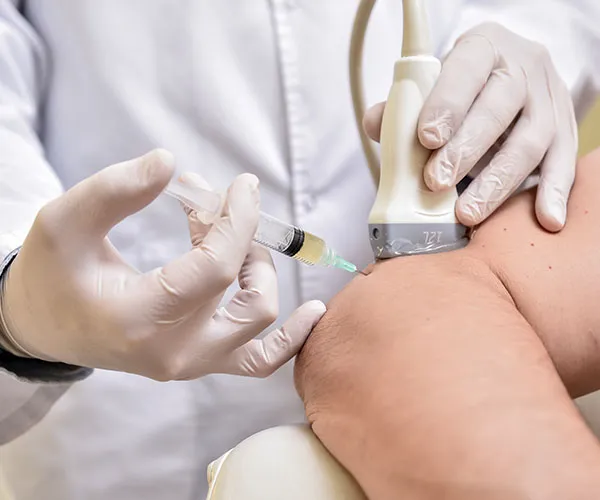
At MI Express Urgent & Primary Care, ultrasound guidance is used for precision PRP injections, ensuring accurate placement for optimal safety, comfort, and outcomes.

Conditions Commonly Treated with PRP Therapy
Our PRP injections are used to treat a wide range of joint and soft-tissue injuries, including:
- Knees: Mild to moderate Osteoarthritis, ligament strains, meniscus-related degeneration, patellar tendon injuries
- Shoulders: Rotator cuff tendinopathy or tears, bursitis, mild to moderate shoulder arthritis
- Elbows: Tennis elbow (lateral epicondylitis), golfer’s elbow (medial epicondylitis), overuse injuries
- Feet & Ankles: Plantar fasciitis, Achilles tendinopathy
- Other Musculoskeletal Conditions: Minor joint injuries, chronic tendonitis, trigger points, repetitive-strain injuries
Important Note: PRP therapy at MI Express Urgent & Primary Care is not offered for spinal or disc-related back injuries, intra articular hip injections at this time.

How PRP Therapy Works
PRP therapy is a simple, in-office procedure designed to activate your body’s natural healing response. The process includes:
- Blood Collection: A small amount of blood is drawn from your arm, similar to a routine lab test.
- Platelet Concentration: Your blood is processed in a specialized medical centrifuge to isolate and concentrate the healing platelets and growth factors.
- Precision Injection: The concentrated platelets are carefully injected into the affected joint or tendon using real-time ultrasound guidance for maximum accuracy and safety.
- Healing & Recovery: PRP works by stimulating tissue repair, reducing inflammation, and promoting gradual improvements in strength, mobility, and pain over time.
- Personalized Treatment Plan: While some patients improve after a single treatment, many benefit from a series of 3–5 injections spaced approximately 2-6 weeks apart, depending on condition severity and response.
Who Is an Ideal Candidate for PRP Therapy?
PRP therapy is best suited for patients seeking a natural, non-surgical option to treat chronic joint or tendon pain and improve function. You may be a good candidate for PRP if you:
- Have mild to moderate osteoarthritis or chronic tendonitis
- Experience persistent joint, tendon, or soft-tissue pain despite conservative treatment
- Want to avoid or delay surgery
- Have had limited or temporary relief from steroid injections
- Are active and motivated to restore mobility and performance
- Prefer a biologic, medication-free treatment approach
PRP is effective for localized musculoskeletal conditions and works best when combined with appropriate activity modification and a guided rehabilitation plan. Not all patients are candidates for PRP. A consultation and clinical evaluation are required to determine if PRP is appropriate for your specific condition and medical history.
Find Out If You're a Candidate — Request a Consultation
Answer a few quick questions and our team will reach out to confirm your eligibility and schedule your visit.
Who May Not Be a Candidate for PRP Therapy?
PRP therapy is safe for many patients, but it may not be appropriate for everyone. You may not be a good candidate for PRP if you have:
- Active infection at or near the injection site
- Severe or end-stage joint degeneration where surgery may be more appropriate
- Certain blood or platelet disorders that affect healing
- Current use of strong blood thinners that cannot be safely adjusted
- Uncontrolled autoimmune or inflammatory conditions that impair tissue repair
- Active cancer or undergoing chemotherapy (in most cases)
- Pregnancy, for certain treatment areas (case-by-case evaluation)
A comprehensive medical evaluation is required before PRP treatment. At MI Express Urgent & Primary Care, your provider will carefully review your medical history, medications, and imaging (if available) to ensure PRP is safe and appropriate for you.
PRP Recovery Timeline: What to Expect After Your Injection
PRP therapy works by activating your body’s natural healing process. Because it relies on biologic repair rather than medication, improvement occurs gradually over time. Below is a general recovery guide
Day of Your PRP Injection
- You may experience soreness, stiffness, swelling, or a mild aching sensation at the injection site—this is a normal part of the healing response.
- Limit strenuous activity and avoid heavy lifting or intense exercise for the remainder of the day.
- Do not take anti-inflammatory medications (NSAIDs such as ibuprofen, naproxen, or aspirin unless otherwise directed), as they may interfere with the healing response.
- Ice is usually avoided for the first 24 hours unless specifically instructed by your provider.
- Light daily activities and gentle movement are encouraged as tolerated.
First Week After Injection
- Mild to moderate discomfort may continue for several days as healing begins.
- Gradual improvement in pain and function typically starts within 1–3 weeks.
- Continue to avoid NSAIDs during this early healing phase unless cleared by your provider.
- You may resume light activity and guided stretching, but avoid high-impact or heavy resistance exercise.
- Physical therapy or rehabilitation exercises may be recommended depending on your condition.
Weeks 2–6 and Beyond
- Most patients notice progressive improvement in pain, strength, and mobility over several weeks.
- Healing continues at the cellular level for up to 8–12 weeks.
- Additional PRP treatments may be scheduled if part of your personalized treatment plan.
Important Recovery Notes
- Results vary depending on the condition treated, overall health, and adherence to post-treatment instructions.
- PRP recovery is not instant, but aims for long-term symptom improvement and tissue healing rather than temporary relief.
PRP Injection Pricing
| Joint Type | Single Injection | 3-Injection Package (5% discount) | 5-Injection Package (10% discount) |
|---|---|---|---|
| Small joints (elbow, wrist, ankle, plantar fascia) | $550 | $1,567.50 | $2,475 |
| Large joints (knee, shoulder) | $750 | $2,137.50 | $3,375 |
* Self-pay only; insurance is not accepted at this time.
Why Choose MI Express Urgent & Primary Care for PRP?
Here’s what makes our PRP therapy exceptional:
- Expert Providers: Skilled clinicians with experience in joint and tendon care, delivering safe and effective PRP injections.
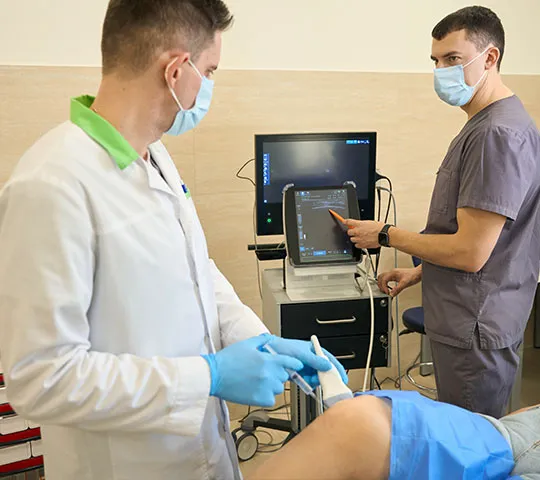
- Ultrasound-Guided Accuracy: Precision injections directly to the injured tissue for optimal healing and minimal discomfort.
- Personalized Treatment Plans: PRP therapy combined with tailored rehab and lifestyle guidance for long-term joint health.
- Long-Term Mobility Focus: Care designed to reduce pain, improve function, and maintain joint strength over time.
- Patient-Centered Environment: We prioritize comfort, communication, and individualized care every step of the way.
Whether you're exploring a PRP joint injection or researching options similar to a plasma injection for knee, our team is here to guide your recovery.
Regain Pain-Free Movement with PRP Therapy!
Experience regenerative PRP treatment that relieves pain and restores mobility. Advance scheduling and payment are required. Please bring all imaging reports
for review before your appointment.
FAQs
PRP uses concentrated platelets from your own blood, injected into joints or tendons, to promote healing, reduce inflammation, and improve mobility naturally.
Most patients notice gradual improvement within 2–6 weeks. Full benefits are typically achieved after the complete 3–5 injection series.
Using your own blood minimizes risks of allergic reactions or complications. Ultrasound guidance ensures accurate and safe injections.
Optimal results generally require 3–5 injections spaced 4 weeks apart, depending on joint size and severity of the condition.
PRP is most effective when combined with physical therapy, lifestyle adjustments, and conservative care to support long-term joint and tendon health.