Food Poisoning & Foodborne Illness Treatment in Canton & Ann Arbor, MI
Suffering from severe nausea, vomiting, diarrhea, or stomach cramps? MI Express Urgent Care is open 7 days a week. Walk in at either our Canton or Ann Arbor location for prompt, compassionate treatment — no appointment needed.
Our Convenient Locations
Canton Location
MI Express Urgent Care in Canton
44237 Michigan Ave, Canton, MI 48188
Monday - Friday : 9 AM - 7 PM
Saturday - Sunday : 10 AM - 6 PM
Ann Arbor Location
MI Express Urgent Care in Ann Arbor
80 S Zeeb Rd Unit 101 C, Ann Arbor, MI 48103
Monday - Friday : 9 AM - 7 PM
Saturday - Sunday : 10 AM - 6 PM

What Is Food Poisoning?
Food poisoning — also called foodborne illness — occurs when you consume food or drinks contaminated with harmful bacteria, viruses, parasites, or toxins. Common culprits include Salmonella, E. coli, Listeria, Campylobacter, norovirus, and Staphylococcus aureus. Contamination can happen at any point in the food handling process, from farming and processing to preparation and storage.
Food poisoning is extremely common in the United States, with tens of millions of cases each year. Summer increases the risk significantly, as warm temperatures accelerate bacterial growth in improperly stored foods — particularly at outdoor events, picnics, barbecues, and potlucks.
NOTE: Most mild cases resolve within 1 to 3 days. Bloody diarrhea or vomit, a high fever, or signs of severe dehydration mean it's time to be seen.

Symptoms of Food Poisoning
Symptoms can begin within hours of eating contaminated food or may take several days to appear, depending on the causative organism. Common symptoms include:
- Nausea and vomiting
- Diarrhea — which may be watery or bloody in more serious cases
- Stomach cramps and abdominal pain
- Fever or chills
- Muscle aches and fatigue
- Headache
Most mild food poisoning cases resolve within 1 to 3 days. However, some cases require medical attention and even hospitalization.
When to See a Doctor for Food Poisoning
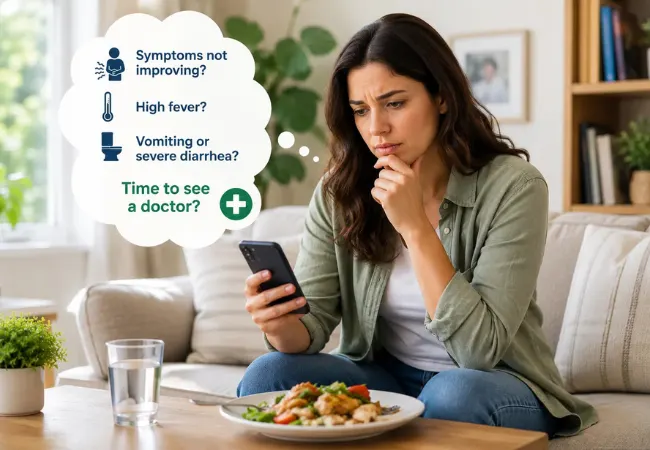
Seek medical care at MI Express Urgent Care if you experience any of the following:
- Bloody diarrhea or vomit
- High fever above 102°F
- Signs of dehydration: extreme thirst, dark urine, dizziness, dry mouth, or very little urination
- Symptoms lasting more than 3 days without improvement
- Inability to keep any liquids down for several hours
- Symptoms in a very young child, an older adult, a pregnant individual, or someone who is immunocompromised
- Neurological symptoms such as blurry vision, tingling, or muscle weakness

How MI Express Urgent & Primary Care Treats Food Poisoning
Our providers will evaluate your symptoms, review your recent food history, and determine the best course of treatment. Depending on severity, your care may include:
- Physical exam and assessment of hydration status
- Blood or stool testing when a specific pathogen is suspected
- IV or oral rehydration to correct fluid and electrolyte imbalances
- Anti-nausea medication to reduce vomiting and improve comfort
- Anti-diarrheal medication when appropriate
- Antibiotic treatment for bacterial causes where clinically indicated
- Detailed home-care guidance on diet, hydration, and recovery monitoring
Urgent Care vs. Emergency Room
Most food poisoning is treated at urgent care with fluids and medication. Severe dehydration and red-flag symptoms need the ER.
Urgent Care Is Right For You If…
- Moderate dehydration from vomiting or diarrhea
- Symptoms lasting more than 2 to 3 days
- High fever alongside stomach symptoms
- Suspected food poisoning in a child or older adult
- Need for anti-nausea medication or IV fluids
- Stool or blood testing for pathogen identification
Go to the ER If…
- Severe dehydration with inability to stand or confusion
- Bloody vomit or stool in large quantities
- Suspected botulism (paralysis, difficulty swallowing, blurred vision)
- Signs of sepsis — rapid heartbeat, high fever, low blood pressure
- Neurological symptoms such as seizures or loss of consciousness

Food Safety Tips to Prevent Foodborne Illness
Most food poisoning is preventable with safe food handling — especially important during summer cookouts and outdoor events:
- Refrigerate perishable foods within 2 hours of serving (1 hour if outdoor temperatures exceed 90°F)
- Cook meats to their proper internal temperatures: 165°F for poultry, 160°F for ground beef
- Wash hands thoroughly before and after handling food
- Avoid cross-contamination by using separate cutting boards for raw meat and produce
- Keep cold foods cold and hot foods hot at outdoor events
- When in doubt about food freshness, throw it out
What Our Patients Say About Us
Walk In for Food Poisoning Care at MI Express Urgent Care
Don't tough out severe stomach symptoms alone. Walk into MI Express Urgent Care in Canton or Ann Arbor — no appointment needed. We're open 7 days a week with IV fluids available on-site. Contact us with any questions.
We Accept Most Health Insurances














Walk-In Care in Canton & Ann Arbor
Canton Location
MI Express Urgent Care & Primary Care
44237 Michigan Ave, Canton, MI 48188
Urgent Care: 734-388-4999
Primary Care: 734-339-2661
Mon–Fri: 9AM–7PM | Sat–Sun: 10AM–6PM
Ann Arbor Location
MI Express Urgent Care & Primary Care
80 S Zeeb Rd Unit 101, Ann Arbor, MI 48103
Urgent Care: 734-999-3850
Primary Care: 734-212-8443
Mon–Fri: 9AM–7PM | Sat–Sun: 10AM–6PM
More Conditions We Treat at Urgent Care


Open 7 Days a Week! Walk In or Schedule an Appointment!
MI Express Urgent Care in Canton and Ann Arbor, MI, is committed to your health 7 days a week.
Whether you walk in or schedule a visit, we’re here every day to provide the care you need.
Frequently Asked Questions (FAQs)
Most cases of food poisoning resolve within 1 to 3 days. Certain bacterial infections such as Listeria or severe E. coli infections can last longer and require prescription treatment. If your symptoms persist beyond 3 days, visit our urgent care clinic for evaluation.
Yes. MI Express Urgent Care can assess your condition, run diagnostic tests if needed, provide IV or oral rehydration, prescribe anti-nausea and anti-diarrheal medications, and guide your recovery — all on a walk-in basis, 7 days a week.
Food poisoning is caused by contaminated food or drink and usually comes on quickly, often within hours of eating. A stomach bug (viral gastroenteritis) is typically spread person to person and may take 1 to 2 days to appear. Symptoms can overlap, and a provider can help determine the cause.
Focus on staying hydrated first. Once vomiting subsides, start with bland, easy-to-digest foods such as crackers, bananas, rice, applesauce, and toast. Avoid dairy, greasy foods, caffeine, and alcohol until fully recovered.
Yes, particularly in young children, older adults, pregnant individuals, and people with weakened immune systems. Severe dehydration and certain bacterial infections can become life-threatening without proper treatment. Do not wait to seek care if you are in a high-risk group.
Not always. Many cases are viral or self-limiting and do not require antibiotics. However, certain bacterial infections such as severe Salmonella, Shigella, or Campylobacter infections may warrant antibiotic treatment. Our providers will make this determination based on your specific case.