


You feel fine. No chest pain. No shortness of breath. No obvious warning signs.
Yet during a routine checkup, your provider tells you that your blood pressure is higher than it should be.
For many adults, this is exactly how high blood pressure is discovered. Unlike other health conditions that cause noticeable symptoms, hypertension often develops quietly over time. That's why it's often referred to as a "silent threat."
After receiving a diagnosis, many patients immediately start searching for ways to lower blood pressure naturally. The internet offers endless advice, from miracle teas and supplements to overnight fixes, but not all of it is accurate.
While lifestyle changes can play a significant role in supporting healthy blood pressure levels, some strategies are far more effective than others. Understanding what works, what may help, and what is best avoided can help you make informed decisions about your long-term heart health.
Blood pressure measures the force of blood against the walls of your arteries as it circulates throughout the body. When blood pressure remains consistently elevated, it places additional strain on the heart and blood vessels.
Over time, uncontrolled high blood pressure can increase the risk of:
Blood pressure is measured using two numbers:
In general:
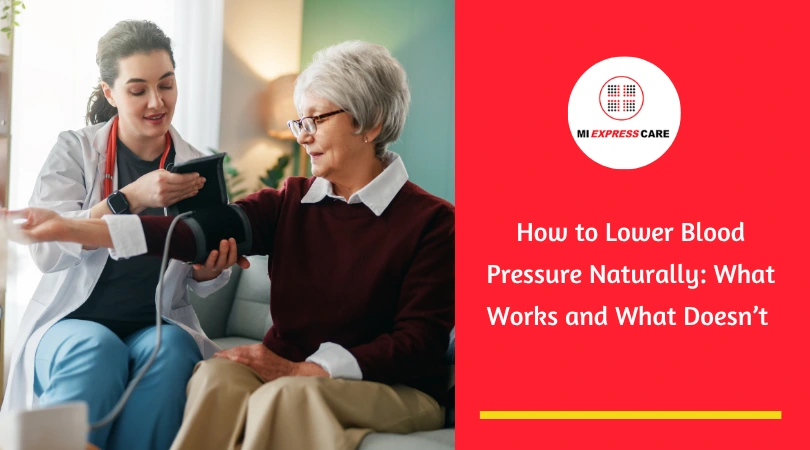
Because hypertension often develops without noticeable symptoms, routine monitoring is important for early detection and management.
While there is no single solution for managing high blood pressure, several lifestyle changes have been shown to support healthier blood pressure levels and overall cardiovascular health.
When discussing the best foods for high blood pressure, it is important to focus on overall dietary patterns rather than individual foods.
A heart-healthy diet typically includes:
Many foods that lower blood pressure naturally are rich in potassium, fiber, and other nutrients that support healthy blood vessel function and heart health.
Excess sodium can contribute to fluid retention, increasing pressure within the blood vessels.
Common sources of sodium include:
Reading nutrition labels, preparing meals at home, and using herbs and spices for flavor can help reduce sodium consumption without sacrificing taste.
Regular exercise is one of the most effective lifestyle strategies for supporting healthy blood pressure levels.
Examples of beneficial activities include:
A consistent exercise routine can improve circulation, strengthen the heart, and contribute to long-term blood pressure management.
Sleep plays an important role in cardiovascular health. Poor sleep quality or insufficient sleep may contribute to elevated blood pressure over time.
Individuals who experience persistent fatigue, loud snoring, or frequent nighttime awakenings should consider discussing these symptoms with a healthcare provider.
Although stress is not always a direct cause of hypertension, it can influence behaviors that affect blood pressure, including physical activity levels, dietary choices, sleep quality, and alcohol consumption.
Stress-management techniques that may be beneficial include:
Several natural remedies have been studied for their potential role in blood pressure management, including:
While some research suggests possible benefits, findings remain inconsistent. These approaches should be viewed as complementary strategies rather than primary treatments.Because supplements may interact with medications or existing health conditions, it is important to consult a healthcare provider before using them.
Many people hope to lower blood pressure quickly; however, meaningful improvements often occur gradually through consistent lifestyle changes and appropriate medical care.
Detox programs, extreme diets, and unproven supplements are frequently promoted online despite limited scientific evidence supporting their effectiveness.
Improved blood pressure readings may indicate that a treatment plan is working effectively. Patients should never stop taking prescribed medications without consulting their healthcare provider.
While a single elevated reading may not always require emergency care, certain symptoms combined with significantly high blood pressure warrant prompt medical evaluation.
Seek immediate medical attention if elevated blood pressure occurs alongside:
These symptoms may indicate a serious medical condition requiring urgent care.
Consider scheduling an evaluation if:
Regular monitoring and early intervention can help reduce the risk of long-term complications.
High blood pressure can often be managed through consistent lifestyle changes, including healthier eating habits, regular physical activity, stress management, and routine monitoring. While natural approaches can make a meaningful difference, not every remedy is supported by evidence. Staying informed and seeking professional guidance can help you achieve better blood pressure control and long-term heart health.
High blood pressure may not cause noticeable symptoms, but early detection and proper management can help reduce the risk of serious health complications. At MI Express Urgent & Primary Care, we provide comprehensive evaluations and personalized care to help you protect your long-term heart health.
Schedule your appointment today or visit us for convenient same-day care.
Eat a healthy diet, reduce sodium, stay active, manage stress, maintain a healthy weight, and avoid tobacco.
Fruits, vegetables, whole grains, beans, lean proteins, and potassium-rich foods can help support healthy blood pressure.
Yes. Regular activities such as walking, cycling, swimming, and strength training can help lower blood pressure over time.
A healthy diet, regular exercise, weight management, stress reduction, and limiting alcohol are among the most effective lifestyle strategies.
See a doctor if your readings remain elevated, you experience symptoms, or you have risk factors such as a family history of hypertension.