


It’s easy to dismiss a racing heartbeat as stress, shortness of breath as being “out of shape,” or fatigue as just another long day. Many people ignore early signs of heart disease because they don’t look or feel dramatic. Unfortunately, heart problems don’t always announce themselves loudly.
The truth is, your body often sends warning signals long before a serious cardiac event occurs. Recognizing the symptoms of heart problems early and seeking timely care can help prevent complications and, in some cases, save your life.
Continue reading and explore the most important heart warning signs, why they matter, and when you should seek urgent medical attention.
Your heart beats over 100,000 times a day, supplying oxygen and nutrients to every part of your body. When the heart struggles, even slightly, symptoms may appear quietly at first. Early detection allows providers to identify underlying issues, manage risk factors, and reduce long-term damage.
Waiting too long or hoping symptoms will pass can be dangerous. Some heart conditions worsen rapidly, and delaying care increases the risk of complications. When symptoms feel unusual, persistent, or severe, same-day evaluation is often the safest decision.
[Image: Infographic showing the key warning signs of heart issues: chest pain, shortness of breath, palpitations, and dizziness]
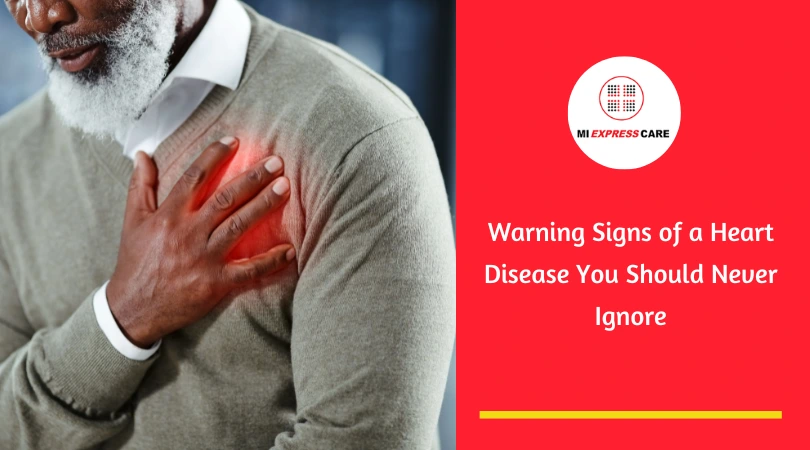
Chest discomfort is one of the most recognized signs of heart disease, but it doesn’t always feel like sharp pain. Common sensations include:
Pressure, tightness, burning, or squeezing
Pain spreading to the arm, neck, jaw, back, or shoulders
Discomfort occurring during activity or while resting
Any new, unexplained, or persistent chest discomfort should be taken seriously.
Difficulty breathing can signal that the heart is not pumping effectively. Warning signs include:
Breathlessness during routine activities
Waking up short of breath at night
Shortness of breath accompanied by chest discomfort or fatigue
Heart palpitations may feel like fluttering, racing, pounding, or skipped beats. While stress and caffeine are common heart palpitations causes, seek care if palpitations are:
Sudden or frequent
Associated with dizziness or weakness
Different from your usual heartbeat pattern
Reduced blood flow to the brain may cause:
Feeling faint or unsteady
Sudden loss of balance
Fainting episodes
These symptoms can indicate abnormal heart rhythms or circulation issues.
Persistent tiredness without a clear cause is often overlooked. Fatigue and heart disease may be linked when:
Fatigue is extreme or long-lasting
Energy levels drop during mild activity
Fatigue occurs with other heart-related symptoms
Heart problems don’t always cause chest pain alone. Other warning signs include:
Unexplained nausea or vomiting
Cold sweats or clammy skin
Symptoms occurring with shortness of breath or chest discomfort
Call 911 immediately if you experience:
Chest pain lasting more than a few minutes
Pain spreading to the upper body
Sudden shortness of breath
Fainting or severe weakness
Urgent care may be appropriate for milder but concerning symptoms such as palpitations, unexplained fatigue, or dizziness. When unsure, it’s always safer to seek medical evaluation.
Urgent care can help assess certain heart-related symptoms through:
Vital sign checks
Symptom evaluation
Guidance on next steps or referrals
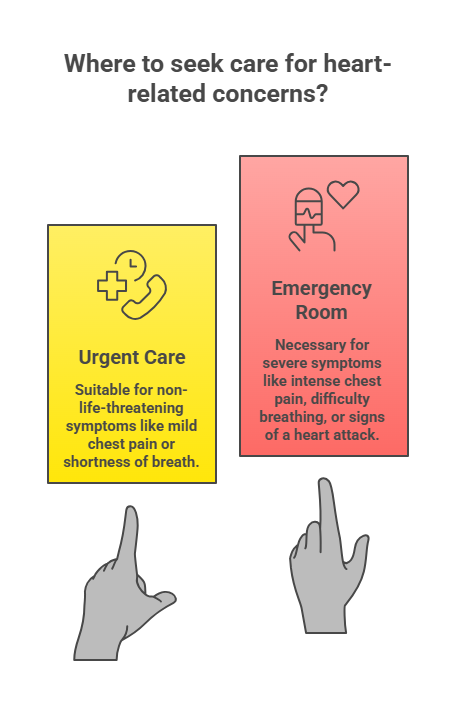
However, severe chest pain, breathing difficulty, or loss of consciousness require emergency room care.
Certain factors raise the likelihood of heart disease, including:
High blood pressure, diabetes, and high cholesterol
Smoking, obesity, and lack of physical activity
Family history of heart disease
Chronic stress and poor sleep habits
During a visit, providers typically:
Review symptoms and medical history
Check vital signs such as heart rate and blood pressure
Assess the need for further testing or specialist referral
Heart health depends on ongoing care and lifestyle habits, including:
Regular health checkups and screenings
Balanced nutrition and physical activity
Stress management and quality sleep
Following up with primary care or cardiology specialists
Your heart doesn’t whisper warnings by accident. It speaks through skipped beats, heavy breaths, and a tiredness that won’t fade. These signs aren’t meant to be pushed aside—they’re invitations to pause, pay attention, and act. Recognizing heart disease early can change the course of your health story. Listen closely, respond promptly, and give your heart the care it’s quietly asking for.
Unexplained heart-related symptoms call for medical attention, not assumptions. At MI Express Urgent Care, we deliver timely, detailed assessments to help clarify what your symptoms may indicate.
If you’re experiencing concerning signs, take action with confidence, schedule an appointment today to ensure your heart health is properly addressed.
Heart disease may present through fatigue, shortness of breath, nausea, dizziness, or palpitations, even when chest pain is mild or completely absent.
Women often experience subtler symptoms such as fatigue, nausea, jaw discomfort, or breathlessness rather than the classic chest pain pattern.
Anxiety and panic attacks can cause palpitations, chest tightness, and shortness of breath, though similar symptoms may also indicate underlying heart conditions.
Heart-related symptoms can occur in younger adults due to stress, lifestyle factors, genetics, or undiagnosed conditions, even without previous medical issues.
Heart disease symptoms may develop during rest or sleep, including shortness of breath, palpitations, or chest discomfort, signaling potential circulation or rhythm problems.