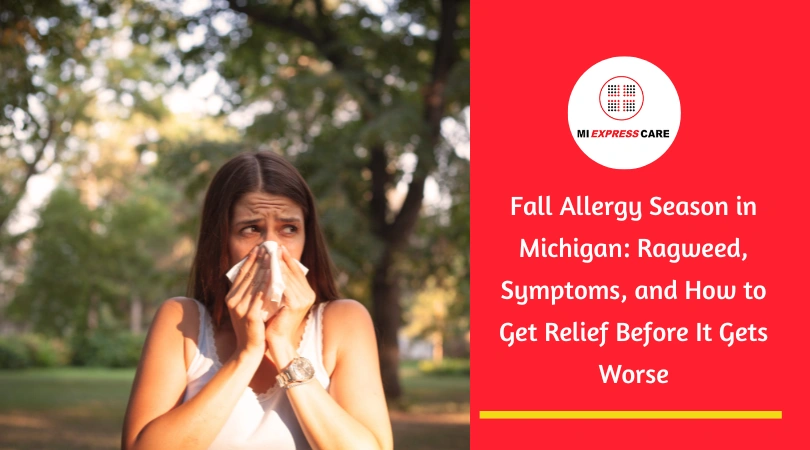



That “cold” that shows up every September and refuses to leave? For a lot of people in Michigan, it was never a cold at all. It's ragweed. As summer winds down, this single plant turns into the state's most aggressive allergy trigger, filling the air with pollen that can keep you sneezing, congested, and rubbing your eyes for weeks. Fall allergies respond well to the right approach, though, and getting ahead early in the season goes a long way.
What makes ragweed such a problem is how far it travels. The plant is unremarkable, growing wild along roadsides, vacant lots, and field edges across the state. But each one releases enormous amounts of feather-light pollen that wind can carry a hundred miles or more. Living nowhere near a patch is no protection.
Timing is the other factor. Ragweed pollen generally appears in early to mid August, peaks from mid August into mid September, and doesn't quit until a hard frost, sometimes as late as October. That long window is what separates a fall allergy from the quick misery of a summer cold.
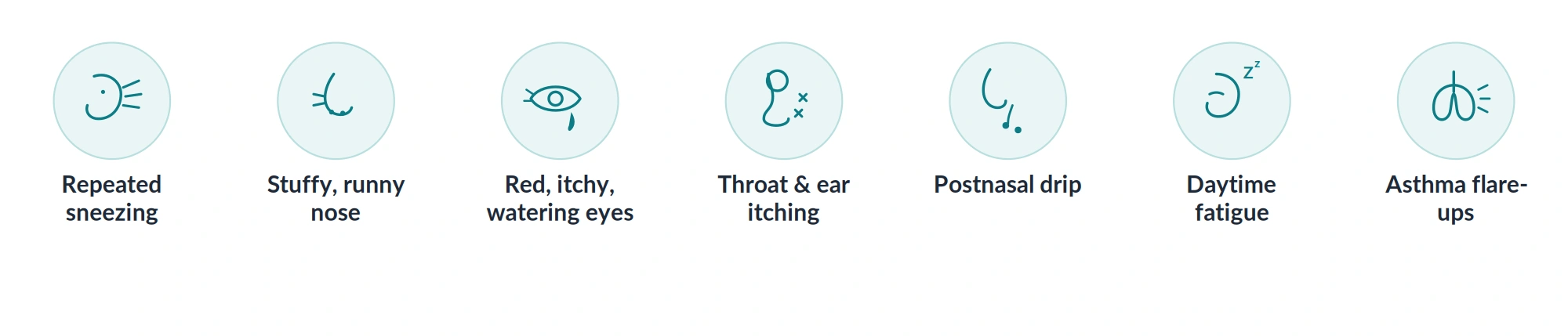
Ragweed doesn't so much announce itself as wear you down. The symptoms are familiar, easy to write off as a cold at first, and they build as pollen levels climb. The most common ones include:
Telling them apart comes down mostly to the calendar. A cold or a round of early-season flu tends to arrive, peak, and fade within a week or so, often with a fever or body aches. Ragweed allergies don't behave that way. They settle in for the long haul, easing and flaring with the pollen, and never spike a temperature.
The type of discomfort differs too. Allergies itch, at the eyes, throat, and ears, in a way colds rarely do, while a cold is more likely to open with a raw, sore throat that worsens over a day or two. If you find yourself guessing, our breakdown of colds versus allergies digs into the differences.
Short of leaving the state, you can't dodge ragweed completely, but you can cut your dose. Check the pollen forecast the way you'd check the weather, and slot outdoor plans into the lower-count stretches. When numbers run high, keep the windows closed at home and in the car, and lean on air conditioning instead.
Pollen also rides back inside on your body, so rinsing off and changing clothes after time outdoors, especially before bed, keeps it off your pillow. A HEPA filter catches much of the rest. And since ragweed pollen peaks in the morning, shifting a run or yard work to the afternoon means facing less of it.
For most people, the pharmacy shelf handles it. Antihistamines take the edge off sneezing, itching, and a runny nose. Steroid nasal sprays go after congestion and inflammation, and they work best started early and used daily rather than only on rough days. Decongestants can open you up when you're truly blocked, but they're built for short stretches.
When none of that makes a dent, a provider can take a closer look, match the right combination to your symptoms, check whether a sinus infection is muddying the picture, and move you to a prescription option when warranted. Our page on in-office allergy care walks through what a visit involves.
Allergies rarely rise to the level of an emergency, but a handful of signs are worth acting on. When symptoms drag past a couple of weeks despite over-the-counter medicine, or when congestion shifts into throbbing facial pressure and thick, colored discharge, ragweed may have handed off to a sinus infection, which calls for a different fix.
Breathing trouble is the one exception that shouldn't wait. Wheezing, chest tightness, or shortness of breath, especially in someone with asthma, needs same-day attention, since ragweed is a known asthma trigger. A visit then does two things: it speeds up relief and confirms you're treating allergies rather than something wearing their disguise, a question urgent care providers are well placed to answer.
Ragweed tends to land hardest on the youngest and oldest. Kids are simply outside more, piling up exposure at recess and on the walk home, while for older adults, symptoms can stack onto existing heart or lung conditions. A few habits make the season easier on both:
Fall in Michigan comes with plenty to enjoy, and ragweed doesn't have to overshadow it. The people who move through the season most comfortably are usually the ones who catch their symptoms early and start treating them before the pollen crests, instead of waiting it out and hoping.
If ragweed has worn you down and the drugstore aisle isn't helping, the team at MI Express Urgent Care can dig into what's actually driving your symptoms, check for a sinus infection, and set you up with a plan that fits. Stop by either clinic in Canton or Ann Arbor any day of the week, no appointment required.
In most years, ragweed pollen hangs around from August until the first hard frost, which can hold off until October, so two or three months in all. The stretch from mid-August into mid-September is usually the roughest.
It shouldn't. Fever isn't part of an allergic reaction, so a temperature alongside your congestion points more toward a cold, the flu, or an infection, and that's worth having looked at.
Blame the timing of the pollen. Ragweed releases the most pollen in the early morning hours, so being outside then, or leaving a bedroom window cracked overnight, loads you up right as the day begins.
Absolutely. The immune system reacts to specific proteins, so plenty of people get hit by ragweed each fall yet sail through spring tree pollen and summer grasses. It happens the other way around, too.
Consider a visit when symptoms are costing a child sleep, focus at school, or normal activity, when drugstore remedies aren't helping, or when there's any wheezing or trouble breathing, especially for kids with asthma.