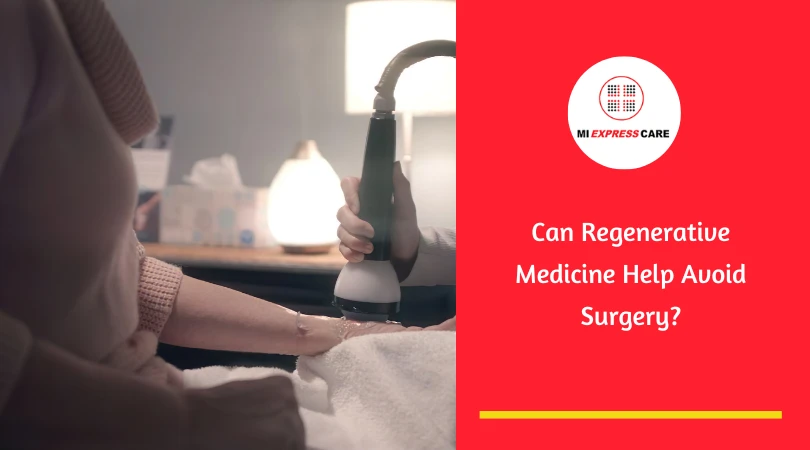



Facing surgery can be daunting. The thought of long recovery times, risks, and time away from daily activities often leaves people searching for alternatives. Fortunately, regenerative medicine offers a non-surgical approach that may help manage pain, improve function, and in some cases, delay or even avoid surgery. But does it really work?
Let’s explore what regenerative medicine is, how it can help, and who may benefit most.
Regenerative medicine is an innovative approach that supports the body’s natural healing processes. Instead of replacing damaged tissues with surgical intervention, it uses treatments designed to encourage repair and regeneration of joints, tendons, and muscles.
Common regenerative medicine therapies include:
Platelet-Rich Plasma (PRP) injections: Using your own blood to concentrate growth factors that support healing.
Stem cell therapy: Introducing cells that can differentiate into various tissue types to repair damage.
Other biologic injections: Targeted treatments to reduce inflammation and stimulate tissue repair.
These treatments are often referred to as non-surgical regenerative medicine, and they are designed to reduce pain while promoting healing.
While regenerative medicine is not a replacement for every surgical procedure, it can offer several benefits that may delay or prevent the need for surgery:
Reducing pain and inflammation: Many patients experience noticeable relief, which can improve daily function.
Improving joint function and mobility: By supporting tissue repair, regenerative treatments can enhance range of motion.
Supporting tissue healing: Regenerative therapies aim to strengthen and restore damaged tissues, potentially slowing disease progression.
It’s important to note that results vary by patient, condition, and severity of damage. Early intervention often leads to better outcomes.
Regenerative medicine can be applied to a variety of musculoskeletal conditions, including:
Arthritis (knee, hip, shoulder)
Tendinitis (Achilles, elbow, shoulder)
Chronic musculoskeletal pain
Back pain
Sprains and strains
Plantar fasciitis
Tennis elbow / Golfer’s elbow
Soft-tissue injuries
These treatments are most effective for patients with mild to moderate joint or tissue damage who want to explore non-surgical options first.
Treatment approach and recovery time: Regenerative medicine is minimally invasive, often requiring only injections and minor office-based procedures. Surgery usually involves longer recovery periods, hospitalization, and rehabilitation.
Risks and downtime: Surgical risks include infection, blood clots, and anesthesia complications. Regenerative treatments generally have lower risk, with temporary soreness or swelling being the most common side effect.
When to consider regenerative medicine first: For patients with moderate joint issues or soft tissue injuries, regenerative medicine can be an effective first step, possibly avoiding surgery altogether.
Not every patient is a candidate. Effectiveness depends on:
Early diagnosis: Treatments work best before severe damage occurs.
Severity of joint damage: Advanced arthritis or structural problems may require surgery.
Lifestyle, age, and overall health: Factors like activity level, weight, and medical history influence outcomes.
Setting realistic expectations is key, regenerative medicine is often part of a broader treatment plan rather than a guaranteed fix.
While generally safe, regenerative therapies can cause temporary soreness or swelling. A professional evaluation is essential to determine suitability, as there’s no “one-size-fits-all” solution. Choosing a qualified practitioner ensures the best chance of safe and effective results.
Patients seeking to avoid or delay surgery
People with mild to moderate joint issues
Active individuals and athletes
Those who haven’t responded to conservative treatments like physical therapy or medications
Some conditions cannot be fully addressed with regenerative medicine, including:
Advanced joint damage or degeneration
Structural issues requiring repair
Severe injuries that compromise stability
In these cases, regenerative medicine may still help manage symptoms but is not a replacement for surgery.
For the right patients, regenerative medicine can be an effective, non-surgical option to reduce pain, improve function, and support healing. Personalized evaluation is essential, as outcomes depend on condition severity, lifestyle, and early intervention. While not a universal solution, it offers hope for patients looking to delay or avoid surgery when appropriate.
For those seeking alternatives to surgery, regenerative medicine offers a chance to tap into the body’s own healing power. By addressing pain, restoring joint function, and encouraging tissue repair, it can provide meaningful relief without invasive procedures. While not every case can avoid surgery, exploring these natural healing options early can empower patients to take control of their recovery and maintain an active, healthier lifestyle.
Why accept pain as part of life? At MI Express Urgent & Primary Care, we use advanced regenerative medicine to help your body heal naturally, restore movement, and reduce discomfort, often without surgery.
Schedule an appointment today and skip the lengthy recovery and discover non-surgical solutions that help you move with ease, confidence, and renewed energy.
Results vary depending on the condition and individual healing response, but many patients notice improvement within a few weeks, with full benefits often developing over several months.
Yes, combining regenerative treatments with physical therapy or targeted rehabilitation programs can enhance healing, improve joint function, and support long-term recovery and mobility.
If symptoms persist, alternative treatments or surgical options may be considered. Regenerative medicine can still complement other therapies, providing partial relief or slowing further damage.
Most regenerative therapies involve minor discomfort during injections and temporary soreness afterward. Any pain experienced is usually short-lived and significantly less than surgical recovery.
Some patients benefit from multiple sessions depending on severity and response to treatment. Providers tailor the number of treatments to maximize healing and functional improvement.