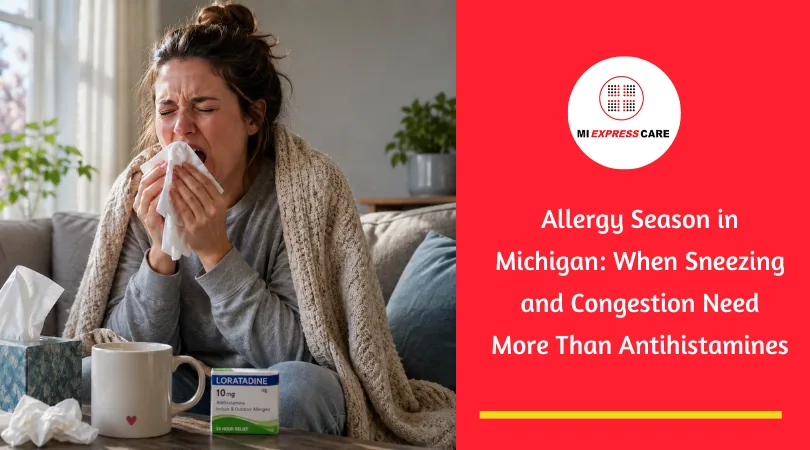



Allergy season in Michigan tends to arrive in waves, first in spring, when tree pollen fills the air, and again in late summer and fall, when ragweed becomes the main trigger. For many residents, it brings the familiar pattern of sneezing fits, nasal congestion, itchy eyes, and a constant runny nose that seems to linger no matter what you try.
Over-the-counter antihistamines are usually the first line of defense. They help some people, especially during mild flare-ups. But for a large number of individuals, symptoms don’t fully settle, or they return as soon as the medication wears off.
This is where confusion begins: are these just typical seasonal allergies in Michigan, or something more persistent that needs medical attention?
Understanding that difference can help prevent weeks of discomfort and reduce the risk of complications like sinus infections or sleep disruption.
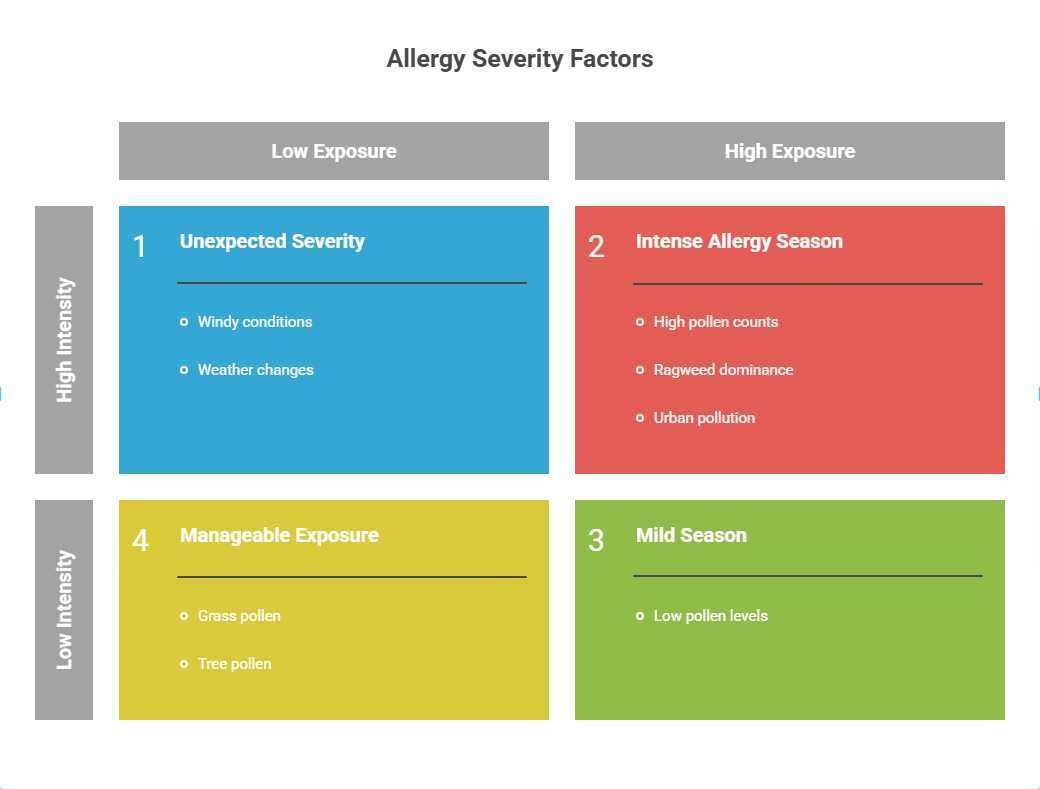 Allergy season in Michigan is often more intense than many expect due to a combination of environmental and seasonal factors.
The state experiences high pollen counts from multiple sources throughout the year. In spring, trees such as oak, birch, and maple release large amounts of pollen. Summer brings grass pollen, and fall is dominated by ragweed, one of the most aggressive allergens.
Rapid weather changes also play a role. Warm days followed by cool nights can trap pollen closer to the ground, increasing exposure levels. Windy conditions further spread allergens across both urban and suburban areas.
Even everyday environments contribute. People living in cities may deal with pollution mixed with pollen, while suburban and rural residents often face higher direct exposure to plants and grasses.
All of this creates a cycle where seasonal allergy treatment becomes necessary for a large portion of the population each year.
Typical allergy symptoms are easy to recognize:
Frequent sneezing
Nasal congestion or blocked sinuses
Runny nose
Itchy, watery eyes
As exposure continues, symptoms can deepen:
Sinus pressure or facial pain
Headaches
Fatigue and difficulty concentrating
A general sense of “brain fog”
At this stage, what begins as mild irritation can start interfering with daily routines. When symptoms become persistent, worsen over time, or stop responding to basic remedies, it may indicate more than seasonal discomfort.
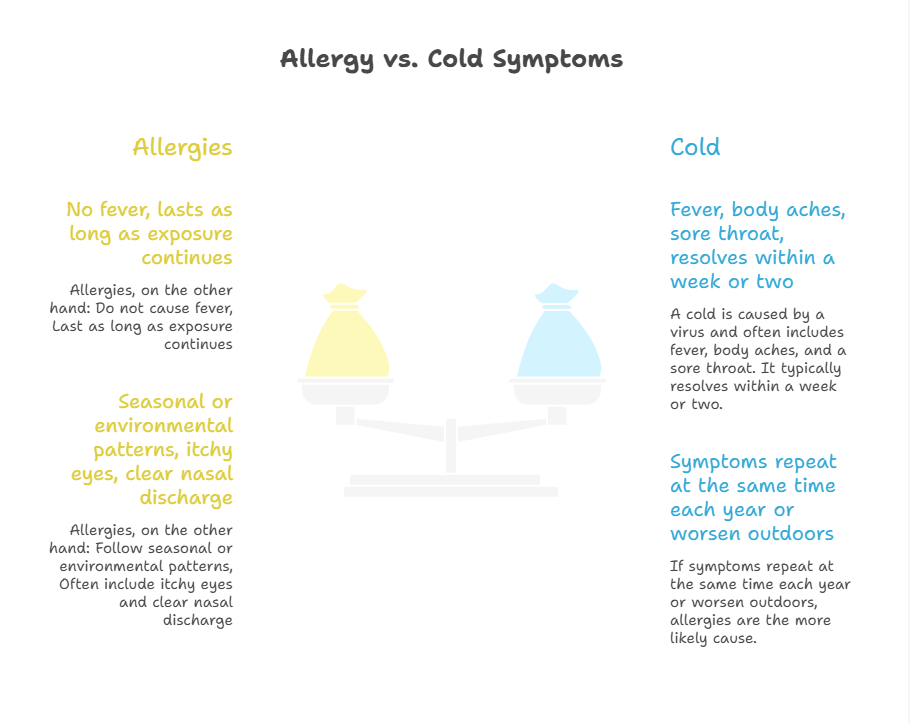
One of the most common challenges is distinguishing allergies vs cold symptoms. A cold is caused by a virus and often includes fever, body aches, and a sore throat. It typically resolves within a week or two.
Allergies, on the other hand:
Do not cause fever
Last as long as exposure continues
Follow seasonal or environmental patterns
Often include itchy eyes and clear nasal discharge
If symptoms repeat at the same time each year or worsen outdoors, allergies are the more likely cause. Understanding this distinction helps avoid unnecessary medications and guides more effective allergy symptoms treatment approaches.
Read Also: Strategies for Identifying and Treating Severe Sore Throats
Antihistamines block histamine reactions, but they don’t always control inflammation caused by heavy or prolonged exposure.
They may be less effective when:
Pollen levels are extremely high
Sinus inflammation becomes significant
There are underlying sinus or respiratory conditions
Signs that medication isn’t doing enough include:
Symptoms lasting for several weeks
Difficulty sleeping due to congestion
Ongoing breathing discomfort
Reduced ability to focus or function normally
At this point, continued reliance on OTC medication alone may not provide meaningful relief.
Severe or persistent symptoms should not be ignored. It may be time to seek medical care if you experience:
Severe sinus pressure or facial pain
Wheezing or difficulty breathing
Recurring sinus infections
Symptoms affecting sleep or work performance
Little to no response to over-the-counter medications
These signs often indicate more significant inflammation or complications that require a structured treatment plan.
When standard remedies fall short, medical providers can offer more targeted options, including:
Prescription-strength antihistamines
Nasal corticosteroid sprays to reduce inflammation
Steroid injections for severe or persistent cases
Allergy testing to identify specific triggers
Long-term management plans tailored to exposure patterns
These treatments focus not just on symptom relief but also on reducing the frequency and intensity of flare-ups over time.
When symptoms escalate quickly, urgent care can be a practical option for timely support. Patients can receive:
Same-day evaluation without long waits
Fast relief for severe congestion or sinus pressure
Prescriptions when OTC options are insufficient
Assessment for complications like sinus infections or asthma flare-ups
For many individuals dealing with urgent care for allergies, this approach bridges the gap between home treatment and specialist care.
While medical care can help in severe cases, day-to-day habits also matter:
Track local pollen counts and limit outdoor exposure during peaks
Keep windows closed during high-pollen days
Shower and change clothes after being outside
Use air purifiers indoors when possible
Stay well hydrated to thin mucus and reduce congestion
Small adjustments like these can significantly reduce exposure and improve comfort during peak allergy season.
Allergies are often dismissed as a seasonal inconvenience, but in reality, they can escalate into persistent discomfort that affects sleep, productivity, and overall well-being. In Michigan, where pollen levels fluctuate across multiple seasons, symptoms can become especially challenging.
Early and appropriate treatment often leads to faster relief and fewer complications. When symptoms stop responding to basic measures, it’s important not to ignore the signals your body is sending.
Constant sneezing, congestion, sinus pressure, and itchy eyes can make even simple daily activities frustrating during allergy season in Michigan. When over-the-counter medications stop providing relief, it may be time for medical attention that addresses the root of your symptoms instead of masking them temporarily.
At MI Express Urgent & Primary Care, same-day allergy treatment and personalized care plans help patients find relief faster without long wait times.
Walk in today for fast evaluation and treatment designed to help you breathe easier and feel better sooner.
Spring and early fall are usually the most difficult periods because of tree pollen and ragweed exposure.
Symptoms that last for weeks, disrupt sleep, affect breathing, or do not improve with OTC medications should be medically evaluated.
You may need stronger prescription treatment or additional therapies to control inflammation and congestion.
Yes. Urgent care clinics can evaluate symptoms, prescribe medications, and treat complications related to severe allergies.
Treatment may include prescription antihistamines, nasal sprays, steroid treatment, and allergy testing depending on symptom severity.