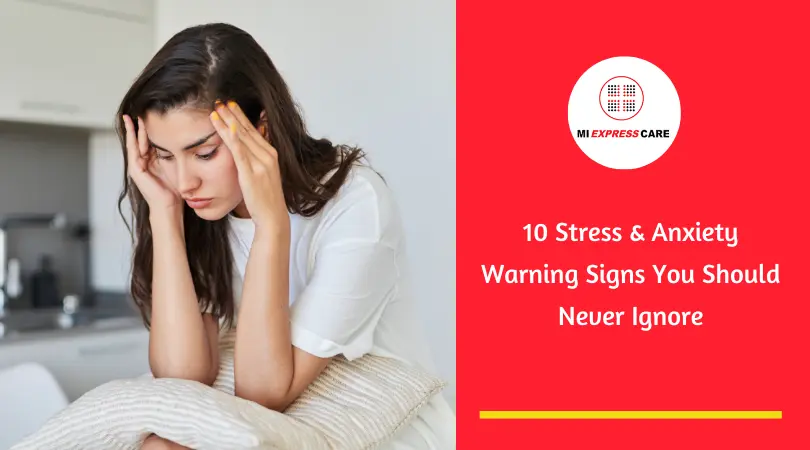



Stress and anxiety often get pushed aside as part of a busy life. Work demands, daily responsibilities, and constant distractions can make it difficult to recognize when something feels off.
The early signs of stress and anxiety don’t usually stand out right away. They tend to show up gradually, changes in sleep, energy, or focus that seem manageable at first. Over time, though, these patterns can begin to affect how you feel and function.
Noticing these shifts early can help you respond before they start to interfere with your health and routine.
Short-term stress can be helpful. It can keep you alert and focused when needed. The concern begins when stress doesn’t ease up or starts turning into ongoing anxiety.
At that point, you may notice:
Physical strain, including fatigue or recurring discomfort
Reduced focus and slower decision-making
Difficulty keeping up with everyday responsibilities
If you’ve been wondering how to know if I have anxiety, it often comes down to persistence. When these patterns continue or begin to disrupt your daily life, they shouldn’t be ignored. Addressing them early can make it easier to regain balance.
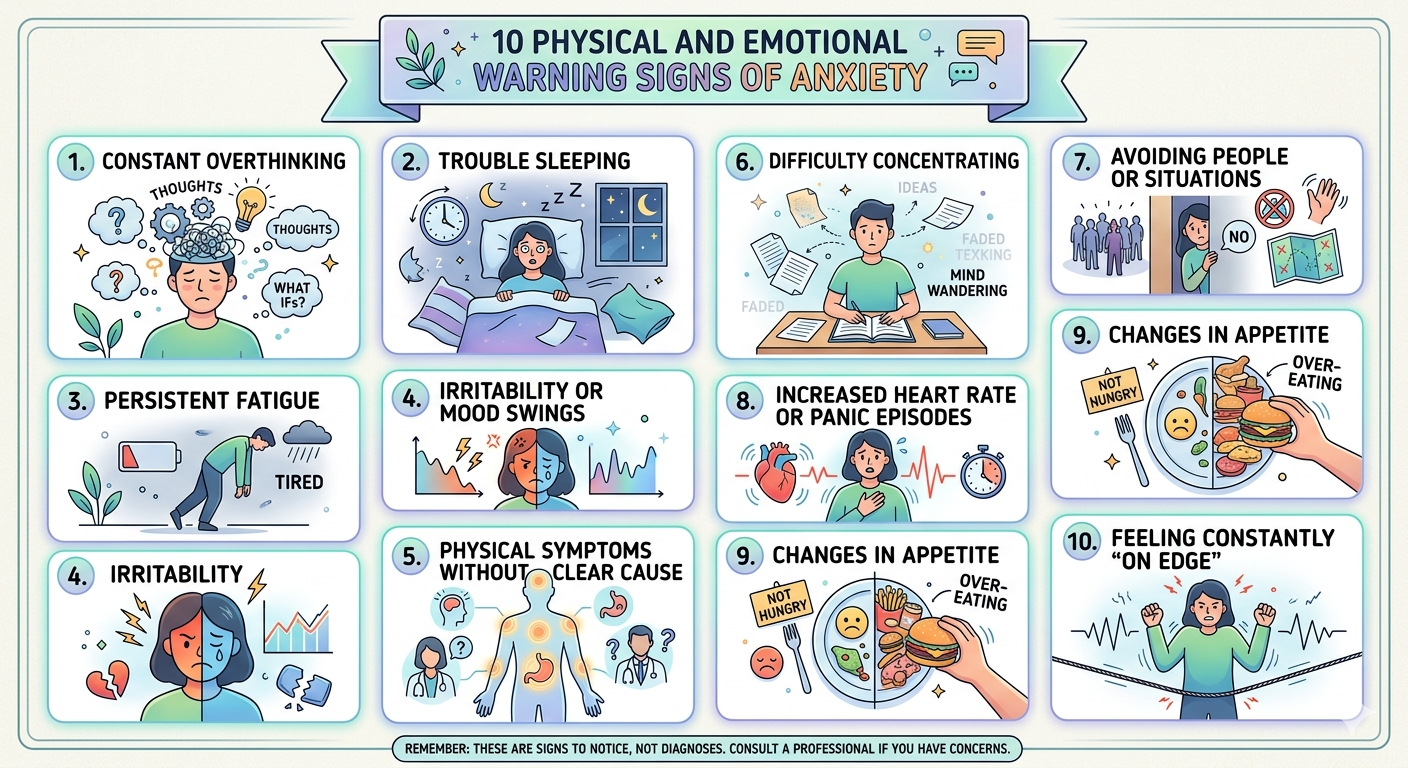
Your thoughts keep circling the same concerns, past conversations, future situations, or things that might go wrong. It becomes difficult to mentally step away.
You may have trouble falling asleep, wake up frequently, or feel tired even after a full night’s rest. Sleep patterns often reflect underlying stress.
There’s an ongoing sense of low energy, even without much physical activity. Tasks that once felt routine may start to feel more demanding.
Patience may feel limited. Small inconveniences can lead to stronger reactions, and your mood may shift quickly.
Stress doesn’t stay limited to the mind. It often shows up physically, including:
Frequent headaches
Muscle tension
Digestive discomfort
These symptoms can feel confusing when there’s no clear medical explanation.
Staying focused becomes harder. You may find yourself getting distracted easily, forgetting details, or struggling to complete tasks.
You might start pulling back from social plans or delaying responsibilities. While it may feel easier in the moment, it often increases stress over time.
A racing heart, shortness of breath, or a sudden sense of unease can come on quickly. These episodes can feel intense, even if they pass within minutes.
Your eating habits may shift, either eating more than usual or losing interest in food. These changes are often tied to emotional patterns.
There’s a lingering sense of tension, even in calm situations. If you’ve experienced feeling anxious for no reason, this ongoing unease can be a key sign.
It may be time to seek support if:
Symptoms last more than two weeks
Daily activities feel harder to manage
You experience repeated panic episodes or physical discomfort
These signs suggest that stress may no longer be temporary.
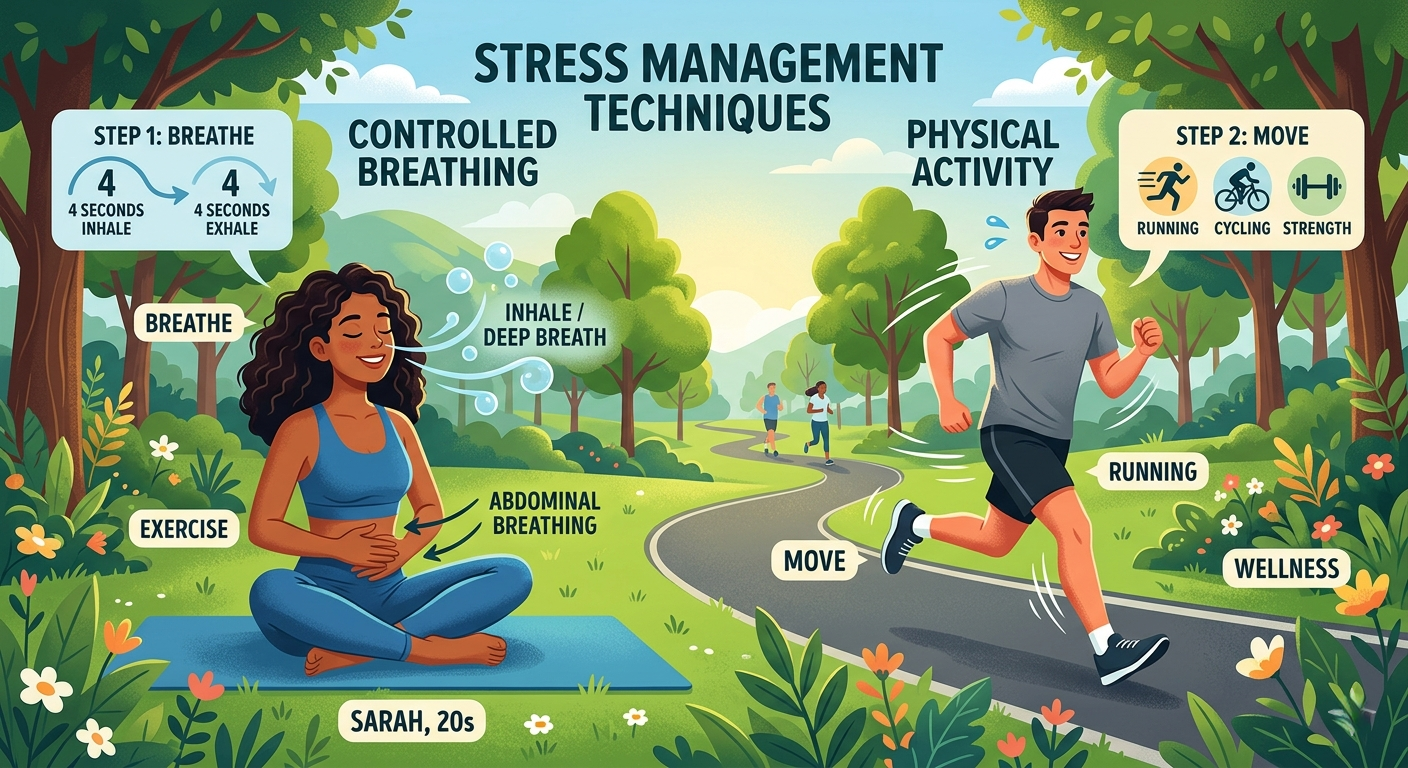
While every situation is different, a few consistent habits can help:
Practice slow, controlled breathing
Stay physically active, even with light daily movement
Limit caffeine and reduce screen time, especially in the evening
Talk to someone you trust about what you’re experiencing
These small steps can help create a sense of stability over time.
When symptoms continue, professional care can provide clarity and direction. A proper evaluation helps identify what you’re experiencing and what may be contributing to it.
Care may include:
Medical evaluation to rule out underlying conditions
Guidance on managing both physical and emotional symptoms
Therapy or counseling options
Medication when appropriate
Care is tailored to your individual needs, making it easier to find an approach that works for you.
Stress and anxiety don’t always appear in obvious ways. Often, they build through small, gradual changes in sleep, mood, and energy.
Paying attention to these signs early allows you to respond before they begin to affect your overall well-being. With the right steps and support, it’s possible to regain a sense of balance and control.
If these signs feel familiar, it may be time to take a closer look. MI Express Urgent & Primary Care provides accessible support for both physical and mental health concerns, including anxiety and depression.
With convenient locations, extended hours, and a focus on personalized care, you can get the support you need without unnecessary delays.
Schedule an appointment to take the next step toward feeling more steady and in control.
Common signs include overthinking, sleep problems, fatigue, irritability, and difficulty focusing on daily tasks.
If stress becomes persistent, overwhelming, and starts affecting sleep, behavior, or daily functioning, it may indicate anxiety.
Yes, they can lead to headaches, muscle tension, digestive issues, and a rapid heart rate without a clear medical cause.
If symptoms last more than two weeks or interfere with daily life, it’s best to seek medical support.
Regular exercise, breathing techniques, consistent sleep, and open communication can help manage symptoms effectively.