Our Convenient Locations
Canton Location
MI Express Urgent & Primary Care
44237 Michigan Ave Suite B, Canton, MI 48188
Monday - Friday : 9 AM - 7 PM
Saturday - Sunday : 10 AM - 6 PM
Ann Arbor Location
MI Express Urgent & Primary Care
80 S Zeeb Rd Unit 101 B, Ann Arbor, MI 48103
Monday - Friday : 9 AM - 7 PM
Saturday - Sunday : 10 AM - 6 PM
Symptoms
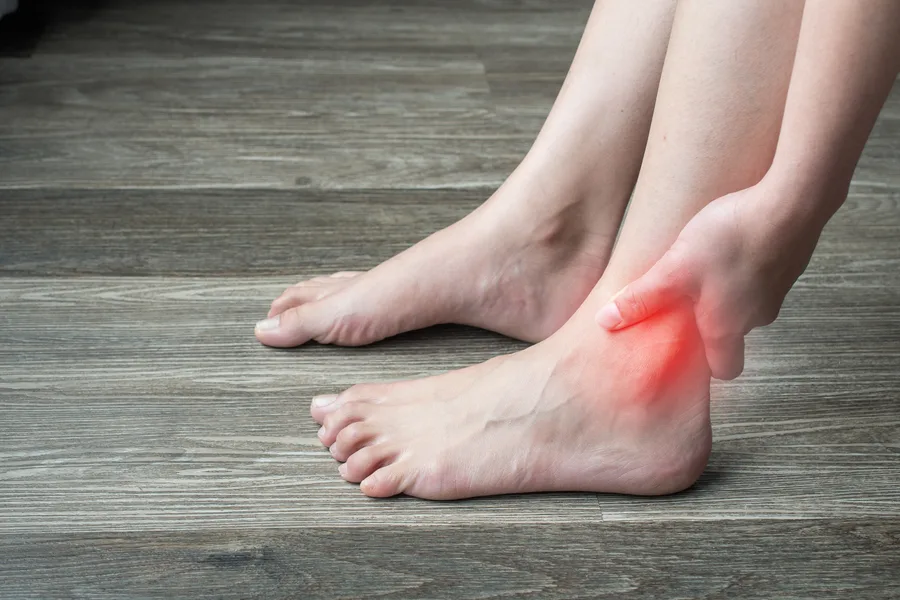
- Stiffness or aching along the back of the ankle
- Pain that's worse after activity rather than during it
- Noticeable swelling or a thickened, rope-like feel to the tendon
- Morning stiffness that loosens up once you start moving
What Causes It
The Achilles tendon handles enormous repetitive load with every step, run, or jump, which is exactly why small overuse issues can build up into a real problem over time.
- Overuse from running or jumping sports
- A sudden increase in training volume or intensity
- Tight calf muscles
- Worn-out or unsupportive footwear
- Age-related tendon degeneration
When to See a Doctor
Most mild Achilles irritation settles down with rest, but a few signs mean it is time to come in rather than wait it out.
- Pain that doesn't improve with rest and stretching after one to two weeks
- A sudden sharp pain or an audible pop, which can signal a rupture and needs urgent care right away
- Swelling that keeps increasing rather than settling down
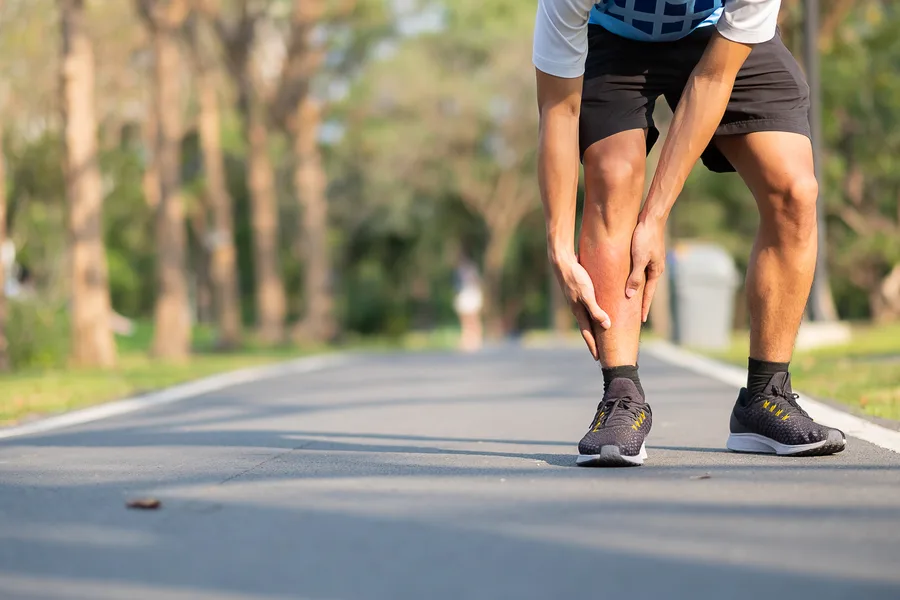
Training Through It: What's Safe, What's Not
For runners and active patients, the real question is usually not whether to stop completely, but how much to scale back. Reducing mileage and intensity while keeping some low-impact movement going, like swimming or cycling, is often more realistic, and more sustainable, than stopping cold. Sharp pain, a change in your gait, or swelling that's getting worse are signs to stop and get evaluated rather than push through and risk making things worse. Dr. Azimi will help you build a return-to-running timeline around your treatment, rather than leaving you to guess when it's safe to pick back up.
How We Treat Achilles Tendonitis
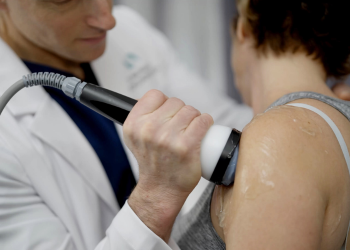
Shockwave Therapy: a well-established, non-invasive option for Achilles tendinopathy, delivered over a short series of in-office sessions with no downtime, which matters when you're trying to stay as active as safely possible while healing.
Learn more about shockwave therapy.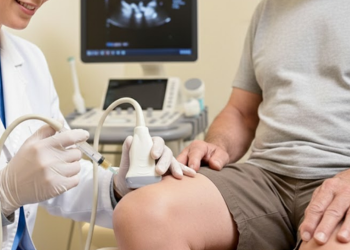
PRP: considered for chronic or degenerative cases that need additional regenerative support.
Learn more about PRP therapy.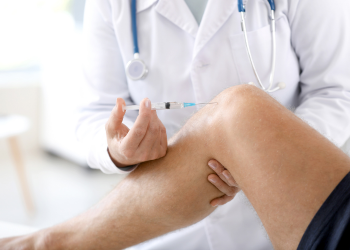
Steroid injection: not used as a default option for this condition.
Learn more about steroid joint injections.Given the rupture risk involved, any injection-based option for this specific tendon is considered carefully and discussed in full detail with you before it is ever recommended, rather than being offered as a routine choice alongside shockwave or PRP.
Why MI Express Urgent & Primary Care
A meaningful share of the patients we see for this condition are runners and other athletes who care about getting back to training safely, not just getting out of pain. Dr. Umayr Azimi, MD, dual board-certified in Internal Medicine and Obesity Medicine, factors your activity goals into the treatment plan from the first visit at either our Canton or Ann Arbor location, with walk-in and same-week scheduling available seven days a week.
Book My AssessmentFrequently Asked Questions
Yes, it's one of the most established non-surgical treatments for this condition. Most patients complete a short series of sessions scheduled a week or so apart.
Often with modified mileage and intensity. Dr. Azimi will help you determine a safe activity level based on your specific symptoms and how you respond to treatment.
Tendonitis is irritation and inflammation of the tendon, while a tear is a structural break. A tear often involves sudden, sharp pain and needs urgent evaluation.
Recovery timelines vary based on severity and how long symptoms have been present. Many patients see steady improvement over several weeks of treatment and activity modification.